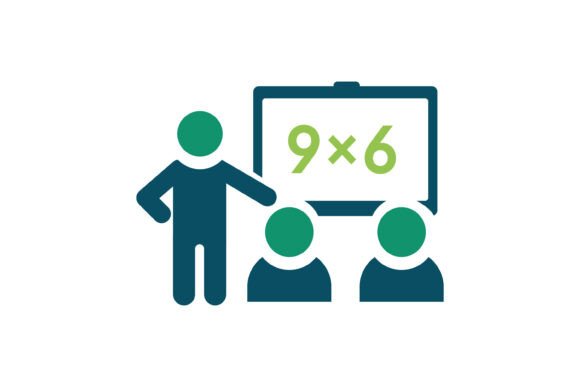
Teacher Icon Flat Vector: An Embroidery Designer’s Honest Review
When a Simple Flat Vector Becomes a Stitchable Teacher Gift
Last week, a client asked me to create a small batch of personalized tote bags for a teacher appreciation brunch. She wanted something that felt clean, modern, and instantly recognizable—nothing too cutesy or overly detailed. I immediately thought of the Teacher Icon Flat Vector I had been testing. It’s a straightforward graphic, but that simplicity is exactly what makes it shine in embroidery. Within a few hours, I had digitized the design, run a test stitch on scrap canvas, and sent the first finished tote bag photo to the client. Her reaction was exactly what I’d hoped for: “That’s it. That’s the one.”
If you’re an embroidery artist, craft business owner, or Etsy seller looking for a design that communicates warmth and professionalism without overwhelming the fabric, this flat vector deserves a close look. As someone who has tested hundreds of digital assets on real embroidery machines, I’m going to break down what this file actually offers, how it performs in stitch, and where it might trip you up if you’re not careful.
Breaking Down the Visual Mood and Embroidery Potential
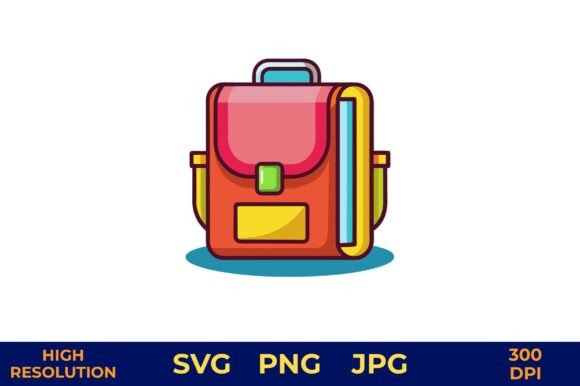
The first thing that strikes you about Teacher Icon Flat Vector is its restraint. There’s no fussy shading, no tiny text, no ornate borders. The icon relies on a few well-placed shapes to create a symbol that feels universal—a figure, a book, an apple, a chalkboard, or a combination of simple classroom motifs depending on the exact variation. That minimalism is a gift for machine embroidery. It translates into clean stitch paths, predictable trims, and a finished product that looks just as good on a canvas tote as it does on a baby onesie.
Because the file is delivered as EPS, SVG, and JPG, you’re not locked into a single workflow. The vector formats (EPS and SVG) are perfect for importing into embroidery digitizing software like Wilcom, Hatch, or Ink/Stitch. The JPG is handy for creating quick mockups, listing photos, or sharing previews with clients before you even turn on the machine. This flexibility is a big plus for small shop owners who need to move fast and present professional visuals.
The Real Test: From Digital File to Finished Tote Bag
I put the Teacher Icon Flat Vector through its paces on a medium-weight cotton canvas tote, the kind you’d sell at a craft fair or hand out at a school event. I imported the EPS into my digitizing program, set the design width to about 4 inches, and assigned a simple satin stitch for the main outlines with a light fill stitch for the internal shapes. The result was a design that stitched out in under 15 minutes, with no awkward jump stitches and no thread breaks.
What I appreciated most was how the flat vector’s clean lines eliminated guesswork. There were no ambiguous edges that forced me to reinterpret the artwork. The icon’s shapes were already perfectly defined, which meant my digitizing was faster and the machine ran smoothly. This is a huge advantage for anyone who wants to build a repeatable embroidery project or offer a customizable product line without spending hours fine-tuning a messy file.
Why the Minimalist Lines Work for Machine Embroidery
Highly detailed illustrations can look beautiful on screen but turn into a muddy mess when stitched on fabric. Teacher Icon Flat Vector avoids that trap entirely. The design’s lack of fine gradients, tiny text, or overlapping transparencies means it digitizes cleanly into satin stitch, fill stitch, and running stitch combinations without losing its identity. You can go bold with thick thread or keep it delicate with a lighter weight—the icon holds its shape either way.
For products like sweatshirt embroidery, baby embroidery, tote bag design, or an embroidered patch, this simplicity is a selling point. Customers recognize the teacher theme instantly, and the crispness of the stitch makes the finished product look like a premium handmade item rather than a rushed craft project.
Thread Colors and Fabric Choices That Make It Shine
Because the icon is so minimal, thread color becomes a powerful design tool. On a natural canvas tote, I used a deep navy thread for the outline and a soft apple red for the accent shape. The contrast was striking. On a dark heather gray sweatshirt, I switched to a warm cream thread and got a chalkboard-friendly look that felt cozy and intentional. The key is to test thread color contrast on a scrap of the actual fabric before committing—especially if you’re working with textured fabric or dark backgrounds.
I’d also recommend looking at the design in black and white before you digitize. Convert the JPG to grayscale, or simply squint at the screen. If the icon still reads clearly, you’re in good shape. That’s exactly what happened with this vector: the silhouette remains legible even without color, which is a strong indicator it will stitch well on almost any fabric.
Where This Design Shines—and Where to Be Cautious
After testing the Teacher Icon Flat Vector on several different products, I’ve found it’s remarkably versatile, but it’s not a universal solution for every embroidery project. Here’s a realistic breakdown of what works and what needs extra attention.
Perfect Products for the Teacher Icon Flat Vector
- Custom apparel: T-shirts, sweatshirts, and hoodies for teacher appreciation weeks or retirement gifts.
- Tote bags: A popular choice for boutique sales and school events. The design sits flat and stitches beautifully on woven canvas.
- Aprons: A playful yet practical gift for a favorite teacher who loves to cook or do art projects.
- Pillow covers: Add a subtle classroom-themed accent to a reading nook or nursery.
- Tea towels and kitchen textiles: The icon’s small footprint works well on linen or cotton towels, especially when paired with a simple border stitch.
- Baby clothes and blankets: The gentle, non-gendered theme makes it a sweet addition to nursery decor or a personalized baby gift.
- Patches: Digitize it as a standalone patch with a merrowed edge, and suddenly you have a sellable product for backpack flair or jacket decoration.
- Holiday embroidery: Think teacher-themed Christmas ornaments, stockings, or gift tags for the holiday season.
- Etsy listings and craft fair products: The design’s clean aesthetic photographs well, making it easy to create attractive product images and printable mockups.
Tricky Situations That Demand Extra Testing
While the icon is forgiving, a few scenarios call for extra caution:
- Small hoop sizes: If you shrink the design below 2 inches, the internal shapes might close up or become too dense. Always do a test stitch on scrap fabric before committing to a tiny version.
- Stretchy fabric: On knits like t-shirts or onesies, use a proper cutaway stabilizer to prevent distortion. The minimal design still relies on crisp edges, and any pulling will ruin the professional look.
- Curved surfaces like caps: The flat nature of the icon can work on caps, but the curved bill might distort the shape if you’re not careful with hooping. Consider a patch application instead.
- Thin or delicate fabric: A lightweight cotton or silk might pucker under dense satin stitches. Test with a lighter fill stitch density or convert more of the design to running stitch.
- Dark fabric with dark thread: The icon’s details can disappear if there’s not enough contrast. Always check the thread against the fabric in natural light.
How This Design Affects Perceived Value and Customer Trust
When a customer sees the Teacher Icon Flat Vector stitched on a finished product, they’re not just buying a decoration—they’re buying a feeling of thoughtfulness and quality. The clean, modern look signals that the maker cared about precision and taste. This builds trust and repeat business, especially if you’re selling on Etsy or at local markets.
I’ve noticed that products using this type of minimal graphic tend to get higher engagement in listing photos. The embroidery doesn’t compete with busy fabric patterns, and the icon’s theme is instantly clear. That clarity translates to quicker buying decisions. For a handmade product, that’s invaluable. The design also lends itself well to personalized gifts—you can easily add a name, date, or short message alongside the icon without overwhelming the layout.
Designer Notes Before You Stitch or Sell
As someone who’s made plenty of mistakes jumping too quickly into a project, I’ll share a few practical reminders that will save you time and materials:
- Test on scrap fabric first. No matter how clean the vector file looks, every machine, thread, and stabilizer combination behaves differently. A quick test stitch reveals any density issues or thread breakage risks.
- Review stitch density. The flat vector will need to be converted into stitches. Don’t assume the default digitizing settings are perfect. Adjust the density to match your fabric weight and desired softness.
- Confirm hoop size. Measure the exact dimensions of the digitized design before you start. The JPG file can help you visualize the scale, but only the embroidery file itself will tell you the true stitch area.
- Inspect small details. Even though the icon is minimal, zoom in on the digitized version. Look for tiny open areas that might close up or threads that might overlap awkwardly.
- Compare light and dark fabric backgrounds. What works on a cream tote might vanish on a charcoal sweatshirt. Run a sample on both extremes if you offer product variations.
- Use the right stabilizer. For woven fabrics, a medium-weight tearaway is often enough. For knits, use a cutaway. For towels or textured fabrics, a water-soluble topper keeps the stitches from sinking in.
- Check licensing before selling. The Teacher Icon Flat Vector is from the Illustrations category and is a Graphics type product. That means it’s typically meant for digital and physical end products, but always confirm the commercial use terms. If you’re selling finished embroidered items or using the design in a craft business, make sure your license allows it.
- Save the JPG for mockups. Before you even digitize, use the JPG to create a printable mockup. This helps you pitch the design to clients or test product variations without wasting thread.
Final Thoughts: A Worthwhile Asset for Thoughtful Craft Businesses
I’ve been reviewing embroidery-ready designs for years, and the Teacher Icon Flat Vector stands out not because it’s flashy, but because it’s reliably good. It’s a design that knows its audience and respects the realities of machine embroidery. Whether you’re making a single personalized gift for a beloved teacher or building a full product line for your small shop, this flat vector gives you a flexible, clean foundation that stitches well and sells well.
The fact that it comes in three formats (EPS, SVG, JPG) opens up possibilities beyond just embroidery—you can use it for digital embroidery file creation, printable mockups, and even print-on-demand products. But for me, its true value lies in how it simplifies the embroidery process. Less time wrestling with a messy file means more time creating beautiful, heartfelt products that customers actually want to buy.