A Friendly Dinosaur Fossil Shell for Your Embroidery Projects
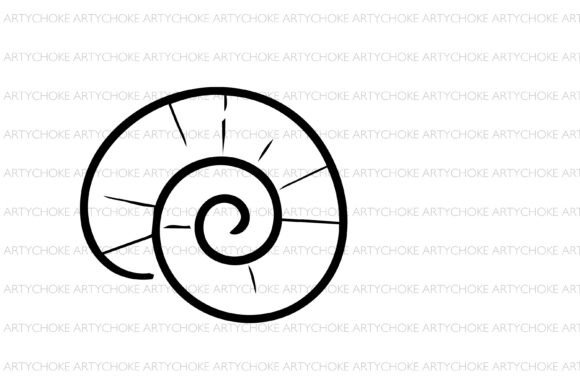
In my hands, I’m holding the Dinosaur Fossil Shell SVG Doodle. It’s a design that immediately smiles back at you. As a designer who works with embroidery files daily, my first thought isn’t about the technical specs—it’s about the mood. This doodle carries a gentle, playful curiosity. Its hand-drawn line art feels welcoming and uncomplicated, a fossil shell that’s been sketched with a friendly touch rather than a scientific one. That personality is its greatest asset.
The Natural Habitat for This Design
When I look at a new embroidery design, I picture it in a finished product, stitched out and living its best life. For this dinosaur fossil shell, I see it adorning a child’s sweatshirt, the friendly lines making it less intimidating than a fierce dinosaur roar. It would be perfect on a tote bag for a teacher or a museum volunteer, adding a touch of whimsy to their day. I’m thinking of a pillow cover in a playful nursery, or a kitchen towel in a home that loves a bit of character.
This isn’t a design that shouts; it whispers a fun secret. That makes it ideal for personalized gifts and small shop merchandise where warmth matters. Imagine a boutique’s embroidered baby blanket or a set of simple patches for a craft fair. Its charm lies in being approachable.
Where Its Simplicity Becomes a Strength
The beauty of this SVG doodle for embroidery is its clarity. As a line art graphics piece, it translates beautifully into stitches. It naturally lends itself to a running stitch or a clean satin stitch outline. The detail level is thoughtful—not overly dense, which means it won’t become a stiff, heavy patch on lightweight fabrics like a baby tee. On a custom apparel like a cap, the open, sketch-like lines will stitch cleanly even on that curved surface.
For commercial embroidery projects or a craft business selling finished tote bags, this design offers high recognition without complexity. A customer sees it and instantly gets the theme—it’s a dinosaur fossil, but it’s cute. That immediate, positive connection boosts the perceived value of your handmade product.
Practical Stitches: Considerations for Real Projects
Now, let’s talk about the workroom. I’m preparing to stitch this onto a denim apron for a client’s dinosaur-themed kitchen. My professional habit is to always test the design on scrap fabric first. With a design like this, I’d pay close attention to the small, interior lines of the shell. On textured fabric, very fine details can get lost, so I might opt for a slightly heavier thread weight or adjust the stitch density in my software to ensure those charming doodle lines remain clear.
For dark fabric backgrounds, I’d experiment with high-contrast thread colors—a bright white or a pale cream—to make that hand-drawn character pop. Using the proper stabilizer is key, especially if I’m planning it for a stretchy fabric like a sweatshirt, to prevent any distortion of those friendly curves.
Spots Where You Might Want to Pause and Plan
While this design is wonderfully adaptable, there are always considerations. If you’re thinking of a very small hoop size—for instance, a tiny patch on a baby bib—those interior sketch lines might need to be simplified or slightly thickened in your editing software to maintain stitch integrity.
On layered garments or items that need frequent washing, like a kitchen towel, the relatively open stitch areas of this design are actually a benefit. They won’t create a dense, bulky area that could wear or feel uncomfortable. However, always check the stitch density in your specific embroidery file to ensure it’s suitable for the fabric’s weight and the product’s use.
Another note: because this is a doodle style, its visual appeal relies on that sketch-like quality. Stitching it as an applique design with a bold fabric color could be a fantastic alternative, giving it a different, more graphic texture.
From Digital File to Trusted Product
For entrepreneurs—the Etsy sellers, digital product sellers, and creative entrepreneurs—this design’s journey from a digital embroidery file to a finished product is smooth. Its clean lines make for excellent printable mockups for your listings, showing customers exactly what they’ll get. That builds customer trust.
When you use a design with such a clear, happy personality across your product line—say, on mugs, cards, and embroidered pillow covers—it strengthens your brand consistency. It tells your customers you have a cohesive, thoughtful aesthetic. For holiday gifts or wedding gifts (perhaps for a couple who loves paleontology!), this design adds a personalized, handmade presentation that feels special and intentional.
Your Essential Designer Checklist
Before you load this dinosaur fossil shell into your machine, here’s my realist’s checklist. First, confirm the licensing for the digital embroidery file. Can you use it for commercial embroidery, selling the physical products you make? This is a must for any craft business.
Second, test it in black and white mockups. See how it looks as a silhouette. This helps you judge its form without color distracting you. Compare it on light and dark fabric backgrounds digitally to plan your thread palette.
Third, and I always say this: inspect the small details in your editing software. Zoom in. Are there any tiny corners or closed loops that might pose a challenge for your specific machine or chosen hoop size? A quick review prevents a stalled project.
Finally, think about the product’s end life. Is this for a child’s item that will be washed often? Opt for durable threads and a secure stitch sequence. Is it for a boutique’s decorative pillow cover? You might have more liberty with decorative accents and finer threads.
The Dinosaur Fossil Shell SVG Doodle, from my point of view as a designer who turns files into real things, is a reliable and charming addition to your toolkit. It brings a light-hearted story to your work, and when stitched with care, it becomes a product that people connect with—not just a decoration, but a little piece of friendly, fossilized joy.