A Teacher's Shamrock Bow Design Ready for Stitching
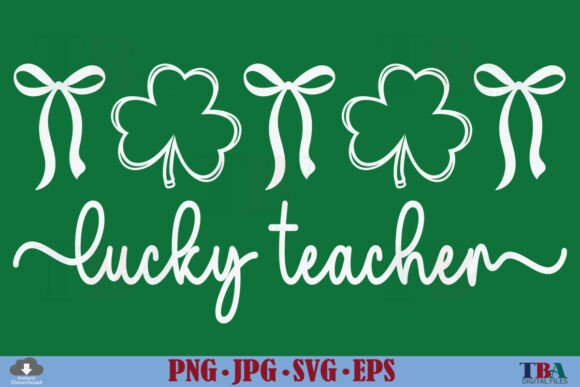
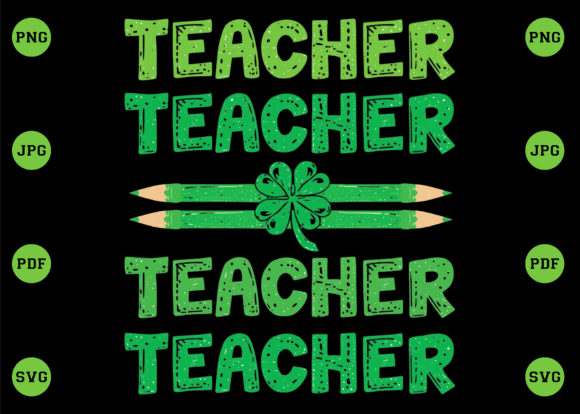
When you first open the Teacher Shamrock Bow St Patrick s PNG file, the mood is instantly clear. It’s cheerful, celebratory, and heartfelt. This isn't just a generic holiday graphic; it’s a design built for a specific moment of appreciation. The central shamrock, wrapped with a neat bow and paired with the “Teacher” text, creates a layout that feels balanced and purposefully crafted. The detail level is good—clean lines and defined shapes—which tells me this embroidery design has been thought through for conversion into stitches, not just as a flat graphic.
Where This Design Naturally Belongs
I immediately picture this on a custom embroidered tote bag. A teacher carrying a tote with this design stitched on the front pocket would feel proud and recognized. But its application goes far beyond that single idea. The theme fits beautifully on sweatshirts, aprons, and pillow covers meant for a classroom or home office. For small business owners and Etsy sellers focusing on personalized gifts, this is a prime candidate for March merchandise. Think embroidered patches on denim jackets, a sweet motif on a baby’s blanket for a teacher-mom, or a centered design on a kitchen towel as part of a holiday gift basket. Its visual personality is warm and professional, making it suitable for both handmade products and more polished boutique items.
Performing in Real-Life Embroidery Situations
Let's talk about real use. I’m considering this for a client who wants a set of embroidered pillow covers for a teacher’s lounge. The design’s provided high-resolution files suggest it can scale well. On a dense fabric like a canvas tote bag or a cotton pillow cover, the fill stitches for the shamrock leaves and bow should come out crisp. For apparel decorators thinking about t-shirts or sweatshirts, the layout is compact enough to work on a standard hoop without needing excessive stabilizer, provided the fabric isn’t too stretchy. The “Teacher” text is clear and not overly ornate, which is a relief for machine embroidery; tiny lettering can be a nightmare with thread build-up.
For crafters making personalized gifts, this design elevates a simple item. An embroidered cap with this motif, given as a St. Patrick’s Day gift, carries more thought and value than a plain purchased one. In my experience, designs with this kind of thematic focus drive strong buyer engagement in small shop merchandise because customers see exactly what it represents. It boosts the giftability and recognition of the finished product.
Where You Should Use It Carefully
While versatile, there are situations where you need to plan. On very textured fabrics, like a thick knit sweater, the fine details of the bow might get lost if the stitch density isn’t adjusted. Embroidering it on dark fabric will require careful thread color selection for contrast—the traditional greens might need to be brighter or lighter. On curved surfaces like caps, the circular shape of the shamrock should fare well, but you must check the design size against your hoop’s capability to avoid distortion.
Layered garments with thin fabric, like a baby’s romper, will need a good stabilizer to prevent puckering, especially around the denser areas of the shamrock. And for products destined for frequent washing, like aprons or kitchen towels, consider using robust thread and maybe even a slightly simplified stitch outline to ensure longevity. The small decorative accents are charming, but they demand a steady machine and a test run first.
The Impact on Your Craft Business
From a professional standpoint, using a clean embroidery file like this affects more than just the stitch quality. It affects customer trust. A well-executed embroidered item using a coherent design shows care and skill. For your handmade presentation and brand consistency—if you specialize in educator or holiday-themed items—this design adds a professional, focused asset to your portfolio. It speaks directly to a niche, which is powerful for creative entrepreneurs.
For digital product sellers offering printable mockups or using POD sites, the high-resolution PNG and SVG formats included are valuable. They allow for clean previews and adaptations across different product types like mugs and posters, as mentioned in the description. This versatility makes it a useful commercial embroidery design asset, provided you’ve confirmed the licensing for your specific use.
Practical Notes Before You Hoop the Fabric
My standard advice always applies, but especially for a themed design like Teacher Shamrock Bow St Patrick s PNG. Always test the design on scrap fabric first. Use a fabric similar to your final project to review stitch density and thread color contrast. I recommend checking it in both light and dark fabric backgrounds digitally before you even thread the needle. This helps you visualize the final appeal.
Confirm your hoop size can accommodate the design at the scale you want. Inspect the small details in the bow and the text corners in your test stitch; sometimes a digital graphic has lines that are too fine for practical machine embroidery. Since the product includes multiple file formats, ensure you are using the correct embroidery file format for your machine. The description lists formats for POD use, so if you are using this for direct machine embroidery, you must verify that you have or can create the appropriate file from these assets.
Finally, clarify the licensing. The description states you can use it on POD sites, but for selling finished embroidered items or handmade products at craft fairs, double-check what is permitted. This step is crucial for protecting your craft business and maintaining professionalism.
In essence, Teacher Shamrock Bow St Patrick s PNG is a design with a clear purpose and a friendly aesthetic. It’s not overly complex, which makes it a reliable choice for a wide range of embroidery projects. When stitched well on a suitable product, it creates a piece that feels both custom and commercially appealing—a balance that makers and small business owners strive for every day.