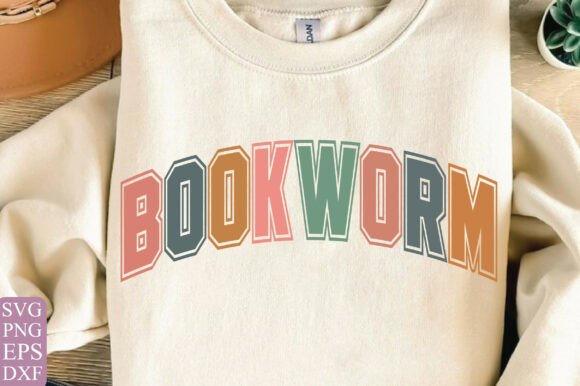
Beyond the Screen: Stitching the Retro Bookworm Design
When you’re looking at a digital embroidery file on your screen, the real test isn’t the pixels. It’s how it translates into thread and fabric. I’m approaching “Retro Bookworm, Teacher Book, Reading” not as a mere graphic, but as a potential asset for real projects—from a custom teacher’s tote bag to a cozy reading-themed sweatshirt for a boutique. The question is always: does the design hold up when the needle hits the cloth?
A Design That Speaks Before It’s Stitched
The first impression of this design is one of warm, scholarly charm. The retro aesthetic isn’t just a trend label; it evokes a sense of nostalgia and genuine love for reading, which is a powerful mood for gift items and personalized apparel. The composition likely balances the book and typographic elements in a way that feels intentional, not cluttered. This visual personality isn’t shouting; it’s inviting. It naturally belongs to projects meant for thoughtful recipients—a librarian, a devoted teacher, a book club friend, or anyone whose identity is intertwined with the written word.
Imagine embroidering this onto a canvas tote bag for a local bookstore’s merchandise line. The design isn’t just decoration; it becomes part of the product’s story. On a baby’s blanket or nursery pillow, paired with softer colors, it shifts from scholarly to whimsical, a sweet nod to future readers. This adaptability is key. A good embroidery file should have a clear core theme but the flexibility to fit into different product contexts.
Where This Design Finds Its Home
In practical use, “Retro Bookworm, Teacher Book, Reading” has a natural fit in several areas. For custom apparel, like sweatshirts and t-shirts, it offers a more substantive, vintage alternative to generic text. On aprons, pillow covers, and tea towels, it becomes a decorative accent that feels homemade and personal—perfect for Etsy sellers focusing on kitchen or home decor. As an embroidered patch, it could be applied to caps or jackets, appealing to a maker community.
For small business merchandise, such as items for a cozy café or an independent bookstore, it adds brand consistency without being overly corporate. The design also lends itself well to holiday gifts and personalized products; a beautifully stitched version on a tote or pillow feels infinitely more valuable than a mass-produced item. In digital realms, the provided file formats mean it can be used for printable mockups to preview products, a crucial step for digital sellers and craft business owners.
Points of Careful Consideration
Not every fabric or project is an ideal match. Based on the theme and likely detail level, I’d be cautious with very small hoop sizes. If the design incorporates fine lettering or intricate book details, shrinking it too much might compromise stitching clarity. On textured or stretchy fabrics like some knit sweaters, careful stabilizer choice is non-negotiable to preserve the design’s shape.
Dark fabric backgrounds require a thoughtful thread color strategy to maintain the retro, often lighter-toned, feel. Embroidering on curved surfaces like caps demands checking that the design’s layout accommodates the curvature without distorting key elements. And for products destined for frequent washing, like kitchen towels or baby items, evaluating the stitch density and durability of the stitch types (whether it relies on satin stitch or fill stitch) becomes a practical priority to ensure longevity.
The Stitched Result: Beyond the Digital File
When this design is successfully embroidered, its impact is multifaceted. Visual appeal translates into customer engagement; a well-executed stitch makes a product look professional and desirable. Stitching clarity directly affects perceived value—blurry or puckered details undermine trust. For handmade presentation, a clean embroidery job using a design like this reinforces the artisan quality that buyers seek on platforms like Etsy.
For brand consistency, if a small shop uses this across a line of book-themed products, it creates a cohesive collection. Its giftability and recognition are high; the theme is instantly understandable and emotionally resonant. Ultimately, it supports professionalism in your work; using a well-composed design file is the first step toward a finished product you’re proud to sell or gift.
Notes from the Hoop: A Designer’s Checklist
Before committing this design to a client’s project or your own inventory, a few real-world steps are essential. Always test the design on scrap fabric first, preferably a similar material to your final product. This reveals how the machine embroidery design handles the details and the required stitch density.
Check thread color contrast against your final fabric—view it in both light and dark background mockups if possible. Review the small details in the file; sometimes tiny decorative accents might need simplification depending on your machine and hoop size. Using proper stabilizer is a given, but its type (cutaway, tearaway) should match the project’s fabric and use.
Crucially, since this is a digital embroidery file, confirm the licensing before selling finished items or using it in commercial embroidery projects. The description notes it’s a premium digital cut file, but the specifics of personal versus commercial use should be verified by the buyer. Also, while the listing includes multiple formats, ensure the one you use is compatible with your embroidery system for a smooth workflow.
In the end, “Retro Bookworm, Teacher Book, Reading” presents itself as more than just a graphic in the T-Shirt Designs category. It’s a theme with emotional weight and practical application. When judged through the lens of real embroidery—the texture of the thread, the lie of the fabric, the reaction of the recipient—it has the potential to become a cherished element on a handmade product. That’s the true measure of a design’s worth: not how it looks on screen, but how it lives in the world, stitch by stitch.