Kid Learning: Cute School Girl Study at Desk
When I first pulled up Kid Learning. Cute School Girl Study at, I was actually in the middle of planning a custom embroidered tote bag for a client who runs a small children’s tutoring business. She wanted something that felt gentle, encouraging, and instantly recognizable to parents. I needed a design that could translate into thread without losing its softness, and this illustration grabbed my attention right away.
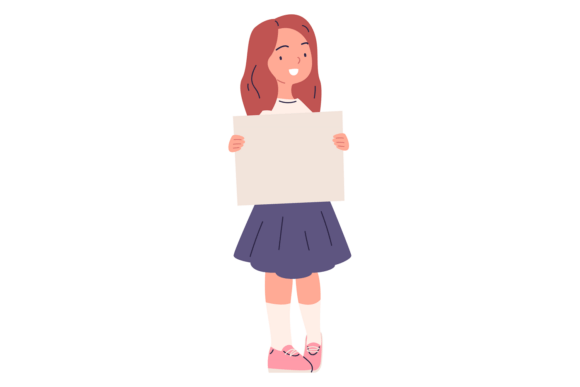
The scene is simple but emotionally effective: a young girl sitting at a desk, focused on her studies. The isolated white background makes it easy to imagine on any fabric, and the linework is clean enough to suggest a smooth digitizing process. I’m not looking at a finished embroidery file here—this is an illustration offered in EPS, JPG, SVG, and transparent PNG formats—but as a professional designer, I can already see the potential for a delicate, kid-friendly stitch-out.
First Impressions: A Gentle, Focused Mood
There’s a quiet sweetness to this design that immediately sets it apart from loud, cartoonish school-themed graphics. The girl’s posture is relaxed yet attentive, and the desk setting adds a sense of purpose without feeling overly academic. The composition feels balanced, with enough negative space to keep the embroidery from looking cluttered, which is a huge plus when you’re thinking about stitch density and wearability.
The illustration style leans toward a cute, storybook feel. It doesn’t rely on heavy outlines or exaggerated features, which often cause problems in embroidery—thick satin borders can warp on stretchy fabrics, and tiny details can disappear. Instead, the shapes are soft, rounded, and naturally separated. That means a digitizer can approach it with a mix of fill stitches and just enough satin for definition, rather than wrestling with dense, overlapping elements.
Real-World Embroidery Applications
I mentally test every design on a handful of products before I commit to a project, and Kid Learning. Cute School Girl Study at fits a surprisingly wide range of handmade items. Here’s where I see it working best:
- Custom tote bags and book bags – The school theme is obvious, but the design’s gentle tone makes it perfect for a “first day of school” gift or a library bag. On natural canvas, the stitches would settle nicely without competing with the fabric texture.
- Children’s apparel – Think soft cotton t-shirts, lightweight sweatshirts, or even a twill jacket for a teacher’s child. The design’s scale is easy to adjust, and the clear subject matter means it reads well even from a short distance.
- Nursery decor and pillow covers – A single-color or pastel thread choice would turn this into a charming accent for a reading nook. On a linen or cotton pillow cover, it would look like a custom illustration, not just a generic graphic.
- Embroidered patches – With a satin-stitch border and a merrowed edge, the design could become a collectible iron-on patch for fundraisers, classroom rewards, or small shop merchandise.
- Aprons and kitchen towels – Surprisingly, this works for a “mommy’s little helper” theme. A small placement on a pocket or corner adds a personal touch without overwhelming the product.
- Blankets and baby items – A scaled-down version on a receiving blanket or a stroller quilt would feel handmade and heirloom-quality, especially with soft, tonal thread colors.
Where This Design Truly Shines
The strongest asset of Kid Learning. Cute School Girl Study at is its universal appeal. It’s not tied to a specific holiday, and it doesn’t scream “back to school” in a way that limits its use to August and September. A parent might buy an embroidered sweatshirt with this design in the middle of winter just because it captures a quiet, studious moment they recognize in their own child. That kind of emotional connection is what transforms a handmade product from a nice item into a keepsake.
For Etsy sellers and craft business owners, the design’s versatility translates directly into product value. You can list it on a tote bag, a baby onesie, a framed hoop art piece, and a zip pouch without the design feeling repetitive or out of place. Each product tells the same story from a slightly different angle, and that consistency builds brand recognition.
Careful Considerations for Stitching Success
No design is perfect for every application, and I always advise makers to think about the flip side before cutting into expensive fabric. With Kid Learning. Cute School Girl Study at, a few areas deserve extra attention:
- Small hoop sizes – If you’re trying to cram this into a 4x4 inch hoop, the facial details and the desk elements might become too tight. Test the design at the intended size first, and be prepared to simplify or enlarge it for clarity.
- Stretchy or textured fabrics – On a knit sweatshirt or terry cloth, the finer lines could shift during stitching. A good cutaway stabilizer is non-negotiable, and I’d recommend a topper if the fabric has a deep pile.
- Dark fabrics – The illustration is shown on a white background, but if you plan to stitch it on navy or charcoal, the thread colors will need adjustment. Light pastels might wash out, so choose a slightly bolder palette or add a subtle outline for definition.
- Curved surfaces – Caps and hats are tricky because the design’s rectangular composition can distort over the crown. I’d save this for flat or gently curved items unless you’re willing to extensively test the digitizing angle.
- Tiny details – The girl’s fingers, the books, and any small desk accessories need to be simplified during digitizing. If the original SVG has too many fine lines, the stitches will either overlap messily or require a high stitch count that stiffens the fabric.
Visual Impact and Customer Engagement
From a buyer’s perspective, Kid Learning. Cute School Girl Study at communicates focus, innocence, and a love for learning. That’s a powerful message for a parent or grandparent browsing your shop. The design doesn’t need loud colors or flashy text to grab attention; the quiet narrative does the work. When I picture this on a handmade product listing, I see a high click-through rate because the image invites curiosity—viewers want to see the stitching details up close.
For commercial embroidery projects, the design’s clean silhouette lends itself well to presentation on mockups. Whether you’re previewing a digital file or a finished product, the transparent PNG format makes it easy to overlay onto a tote bag or sweatshirt template. That professional presentation builds trust, and trust leads to sales.
Digitizing and Production Notes
Since the product is delivered as an illustration (EPS, JPG, SVG, transparent PNG), you’ll need to digitize it for machine embroidery. This isn’t a plug-and-play embroidery file, so the final quality depends heavily on your digitizing skills or the professional you hire. I recommend starting with the SVG for clean vector paths. The isolated white background is easy to remove, and the file should scale without losing detail.
When planning the stitch order, I’d start with the background elements—the desk, the chair—then move to the girl’s body and hair, and finally the facial features and any small accents. This layering prevents gaps and keeps the registration tight. Use a mix of fill stitches for larger areas and a light satin stitch for outlines. Running stitches can handle the desk details and the girl’s posture lines without adding bulk.
Always test on scrap fabric that matches your final product. I keep a few squares of cotton, fleece, and denim handy just for this purpose. Check the design in a black-and-white thread version to see if the contrast holds up without color. A design that looks charming in full color might become a muddy mess in monochrome, and that’s something you don’t want to discover after a customer places an order.
Thread Color Choices and Fabric Pairings
I love how this design invites soft, understated palettes. Think dusty rose, buttercream, sage green, or powder blue. For a more classic look, a single dark thread on a light fabric—like charcoal on oatmeal linen—creates a sophisticated, almost vintage illustration feel. If you’re targeting a bright, cheerful kid’s product, you can introduce pops of color in the books, the girl’s hair ribbon, or a small apple on the desk.
On textured fabrics like waffle weave or slub cotton, the design’s open areas help prevent the embroidery from sinking into the fabric too much. I’d avoid highly napped fabrics like fleece unless you’re prepared to use a water-soluble topper, because the crisp lines of the illustration will blur otherwise.
Licensing and Commercial Use
Before you stitch a single item, confirm the licensing terms. The product description mentions the file formats but doesn’t specify whether the illustration is cleared for commercial embroidery or resale of finished products. As a professional, I always reach out to the creator if the terms aren’t crystal clear. Using a design without proper commercial rights can land your small shop in legal trouble, and it’s just not worth the risk. If you plan to sell the embroidery file itself as part of a digital product, you’ll need an extended license or direct permission.
Final Thoughts from a Maker’s Perspective
After spending time with Kid Learning. Cute School Girl Study at, I’d confidently place it in my design library for children’s projects, teacher gifts, and boutique home decor. It’s not an all-purpose workhorse that you’ll stitch on everything from caps to denim jackets, but it absolutely excels in the niche it was created for. The emotional warmth, the clean composition, and the gentle storytelling make it a design that customers will notice and remember.
If you’re a crafter preparing for a craft fair, an Etsy seller expanding your kid’s line, or a small shop owner looking for a fresh, heartfelt design, this is a solid choice. Just take the time to digitize it thoughtfully, test your thread colors, and pair it with high-quality fabrics. When you do, the finished product won’t just look cute—it will feel like a little piece of childhood captured in thread.