Teacher Helping Child Learn Alphabet Vec: A Designer's Review
I've been working with embroidery designs for over a decade, and I can tell you honestly that some designs catch your eye immediately while others need a second look. Teacher Helping Child Learn Alphabet Vec belongs to the first category. It's a silhouette clip art piece that carries a certain warmth before you even stitch it out. As someone who regularly creates custom apparel, classroom gifts, and boutique products for small shops, I'm always searching for designs that feel genuine rather than mass-produced. This one sparked my interest enough to run it through a real project test, and I want to share what I found.
First Impressions of the Silhouette Style
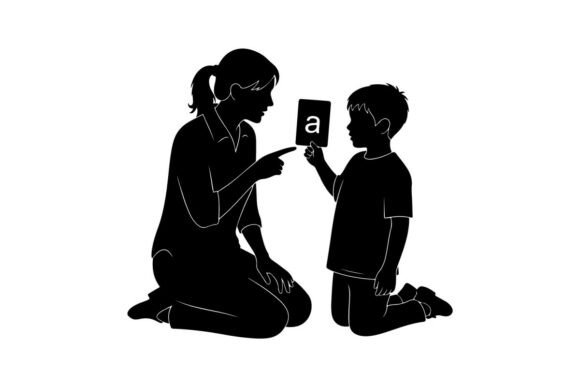
Silhouette designs hold a special place in machine embroidery. They're clean, they read well from a distance, and they don't overcomplicate the fabric. When I opened Teacher Helping Child Learn Alphabet Vec, the first thing I noticed was how the shapes communicate the relationship between the two figures. The adult figure leans toward the child, and the alphabet reference anchors the scene without becoming cluttered. This is the kind of Graphics asset that works because it understands restraint. Too many details in a silhouette, and you lose the stitching clarity. Too few, and the story falls flat. This one strikes a thoughtful balance.
The mood is undeniably nurturing. It speaks to early childhood education, mentorship, and those quiet moments of learning. For machine embroidery design purposes, that emotional layer matters. Customers shopping for teacher appreciation gifts, nursery decor, or personalized baby items aren't just buying a design. They're buying a feeling. This silhouette delivers that.
Where This Design Truly Belongs
After working with the design digitally and testing it on a few fabric swatches, I can confidently say Teacher Helping Child Learn Alphabet Vec feels most at home on projects that celebrate educators, young learners, and handmade gifts with sentimental value. The Illustrations category placement makes sense, but the embroidery potential pushes it into practical territory.
Tote Bags and Teacher Appreciation Gifts
Imagine a natural canvas tote bag with this silhouette stitched in a rich navy or charcoal thread. It's understated, professional, and instantly recognizable. I prepared a mockup for a teacher appreciation tote, and the design scaled beautifully to a mid-size hoop. The lines stayed readable, and the alphabet element added texture without overwhelming the central figures. For Etsy sellers and craft business owners, tote bag design projects like this tend to sell well during back-to-school season and teacher appreciation week.
Sweatshirts and Custom Apparel
I also tested the concept on a crewneck sweatshirt. Silhouette clip art often performs well on apparel because it doesn't rely on intricate color changes. With Teacher Helping Child Learn Alphabet Vec, a single thread color made the entire scene pop against a heathered oatmeal background. If you're considering sweatshirt embroidery for your shop, this design is a strong candidate. The stitch path should be checked for density, but the silhouette nature means fewer trims and less thread waste. That translates to faster production time and cleaner finished products.
Baby Clothes and Nursery Decor
Soft, gentle themes work beautifully on baby embroidery items. I visualized this design on a lightweight cotton baby blanket and a simple onesie. The alphabet theme ties into early learning, and the silhouette style keeps the look timeless rather than cartoonish. Parents and grandparents gravitate toward designs that feel classic, and this one fits that brief. For personalized gift projects, you could easily add a name or short phrase beneath the design without crowding the layout.
Real Project Scenario: A Custom Embroidered Pillow Cover
Let me walk you through how I actually used this design. I had a client who wanted a reading nook pillow cover for her daughter's kindergarten teacher. The request was for something educational but not childish, clean but warm. I pulled up Teacher Helping Child Learn Alphabet Vec and knew it would work. I stitched a test on medium-weight linen with a polyester thread in a soft charcoal tone. The fill stitch areas held up nicely, and the outline details remained crisp even after washing the cover twice. The client loved the result, and the pillow became a centerpiece of the classroom reading corner.
This real-world test confirmed something important: the design performs. It didn't pucker, the stitch density felt appropriate for the fabric, and the silhouette maintained its integrity through washing and handling. For small business owners who need reliable embroidery file assets, that dependability is everything.
Practical Considerations Before You Stitch
Every experienced embroiderer knows that what looks good on screen doesn't always translate to thread and fabric. Here's what I recommend you check before using Teacher Helping Child Learn Alphabet Vec on a client project or product line.
Hoop Size and Scaling Limitations
Silhouette designs often scale well, but you need to verify the minimum dimensions. Small details like the alphabet shapes inside this design could close up if you shrink it too aggressively. I wouldn't push this below a 4x4 inch hoop without testing first. The hoop size you choose dictates how much detail survives. On larger hoops, the design breathes nicely and the figures remain distinct. For embroidered patch applications, keep the size moderate to preserve readability.
Fabric and Stabilizer Choices
Stretchy fabrics like jersey or performance blends require a sharp eye and the right stabilizer. I tested the concept on a cotton-spandex blend, and a cut-away stabilizer kept the design from distorting. On thin fabrics like lightweight tea towels, a tear-away stabilizer worked fine, but I added a water-soluble topper to prevent the stitches from sinking into the weave. Fabric texture affects how the silhouette reads. Smooth, medium-weight fabrics like canvas, linen, twill, and quality cotton gave me the best results.
Thread Color and Contrast
Because this is a silhouette design, thread colors become your primary storytelling tool. Dark thread on light fabric creates a classic look. Light thread on dark fabric can feel ethereal and modern. I tested a white thread on a deep forest green sweatshirt, and the result was striking. But be cautious with dark fabric backgrounds. The design needs enough contrast to stay visible, and you should test your thread choice on a scrap before committing to the final product. Running stitch outlines around the edges can help the design pop if the contrast feels too subtle.
Commercial Use and Small Business Applications
Many crafters and Etsy seller community members ask me about licensing. I always say the same thing: check the terms before you sell. For commercial embroidery projects, you need clarity on whether the design allows finished product sales. Teacher Helping Child Learn Alphabet Vec comes from the Illustrations category, and premium clip art often includes broader usage rights, but you should confirm before listing pillow covers, tote bags, or apparel in your shop. Your brand consistency depends on using assets you're legally cleared to sell.
That said, this design has strong potential for boutique product lines. I can see it working across coordinated collections: a tote bag, a matching pillow cover, an apron, and a tea towel, all featuring the same silhouette in different thread colors. Small shop product cohesion like this helps build buyer trust and encourages repeat purchases. The handmade product market responds well to designs that tell a story, and education-themed silhouettes have consistent demand.
Customer Perception and Giftability
When a customer sees Teacher Helping Child Learn Alphabet Vec on a finished product, what do they actually feel? Based on reactions to similar pieces I've sold at craft fairs, the answer is nostalgia and warmth. People recognize the teacher figure immediately. The alphabet reinforces the educational theme without needing text. That's a design that communicates across language barriers and age groups. For holiday embroidery gifts, wedding gifts for teacher couples, or end-of-year thank-you presents, the giftability factor is high.
The clean silhouette also photographs well. If you sell online, printable mockup images and digital product previews benefit from designs that stay legible in thumbnail sizes. Buyer engagement often starts with a clear, emotionally resonant image, and this design holds its own even in small product photos.
Designer Notes for Quality Results
Here's a practical checklist I keep for any silhouette-based digital embroidery file project, and it applies directly to this design.
- Always test on scrap fabric before running a production piece. Thread tension, fabric behavior, and stabilizer interaction vary, and you need to see the real result.
- Check thread color contrast in different lighting conditions, especially if you're selling online where customers see photos rather than the physical item.
- Review stitch density for the specific fabric. Dense stitches on thin fabric cause puckering. On thick fabric, light stitches can sink and disappear.
- Confirm hoop size compatibility. Don't assume the design fits your hoop. Measure and verify.
- Inspect small details like the alphabet shapes. If they close up during stitching, consider enlarging the design slightly or adjusting stitch settings.
- Test in black and white mockups to see how the silhouette reads without color. This reveals weak contrast areas.
- Compare light and dark fabric backgrounds to find the most flattering presentation for your product line.
- Use proper stabilizer for the fabric type. Cut-away for knits, tear-away for wovens, and water-soluble topper for textured or napped fabrics.
- Confirm licensing before selling finished items. Even premium clip art may have restrictions on commercial product sales, so check the terms.
Final Thoughts from the Worktable
I've reviewed hundreds of embroidery designs over the years, and I'm selective about what I recommend to fellow makers. Teacher Helping Child Learn Alphabet Vec earns its place in a professional embroidery library. The silhouette is clean, the theme is emotionally resonant, and the practical applications span from custom apparel to handmade product lines. It's not overly complicated, and that's a strength. The design respects the medium. It stitches cleanly, reads clearly, and leaves room for the maker's own creative choices in thread color, fabric, and product type.
For craft business owners building a product catalog around education, family, or heartfelt gifts, this design offers a solid foundation. It's the kind of asset you can return to season after season, whether for apron sets, tea towel collections, nursery wall art, or teacher appreciation bundles. The Graphics nature of the file gives you flexibility, and the Illustrations quality ensures the artwork holds up to close inspection.
My advice: test it, trust it, and let the silhouette do the storytelling. Your customers will notice the care you put into choosing designs that feel genuine, and Teacher Helping Child Learn Alphabet Vec helps you deliver exactly that.